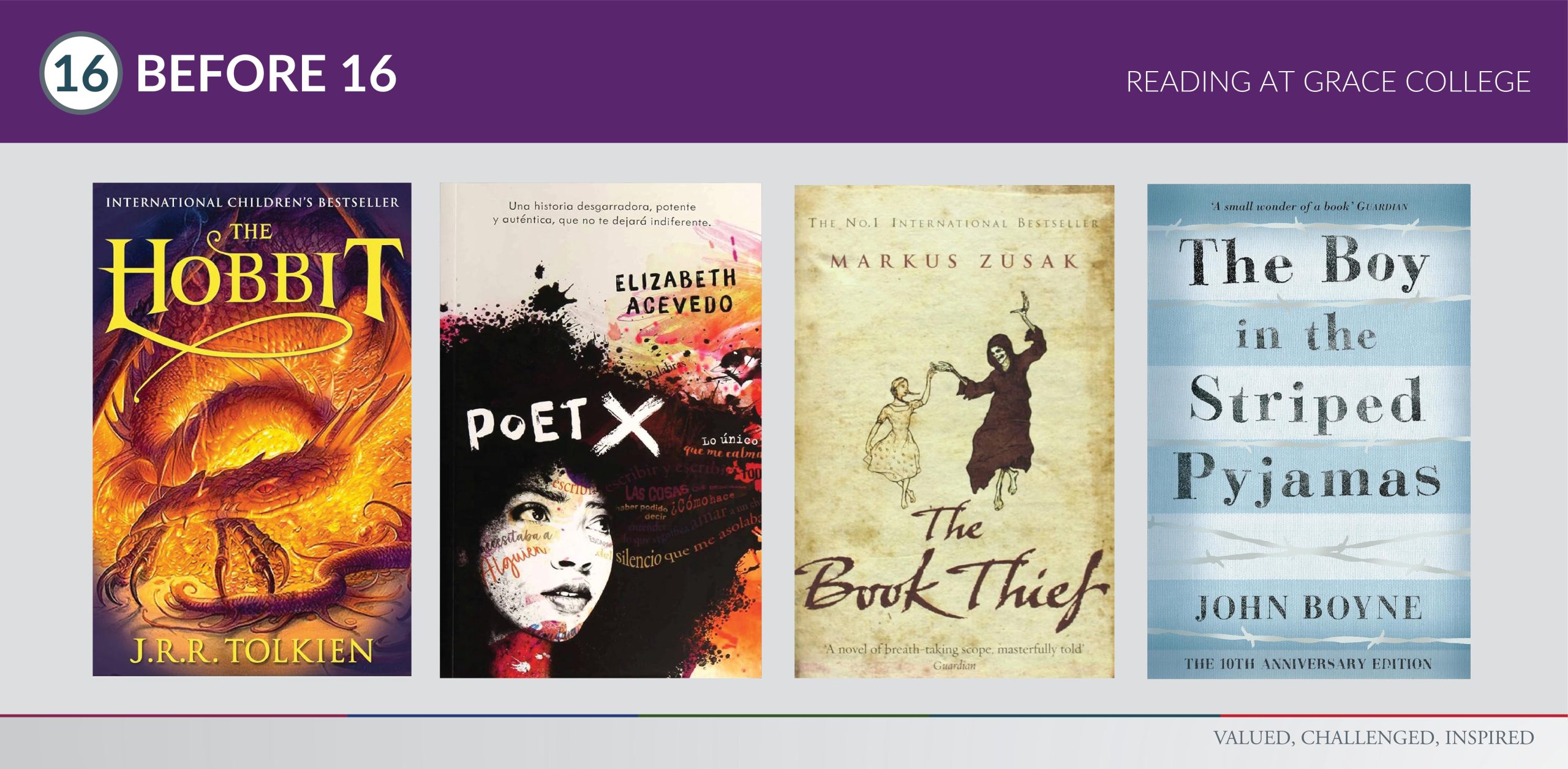
Reading is not only beneficial for learning but is an opportunity for all students to access the world outside of their local context and imagination. Every student, no matter their background, should have access to, and be able to benefit from, the richness of books. Grace College is committed to ensuring:

Students are given the opportunity to read frequently and aloud.
Teachers are advocates of reading and read beautifully to students.
Vocabulary sits at the heart of our curriculum and lessons.
The range of skills and knowledge that a student can gain through effective literacy teaching has a substantial impact on their ability to access the curriculum. Our wealth of words can determine our opportunities in life. Experiencing a vocabulary knowledge deficit in school can prove an insurmountable deficit to attainment. By simply recognising the value of vocabulary development as an initial step, allows for us to make strides in closing the vocabulary gaps that exist within our classrooms.
“The vocabulary gap is more than just words and remains a key factor in the word-rich achieving at GCSE and the word-poor struggling to access the breadth and depth of the curriculum offer.”
Quigley, 2020.
Disciplinary Literacy
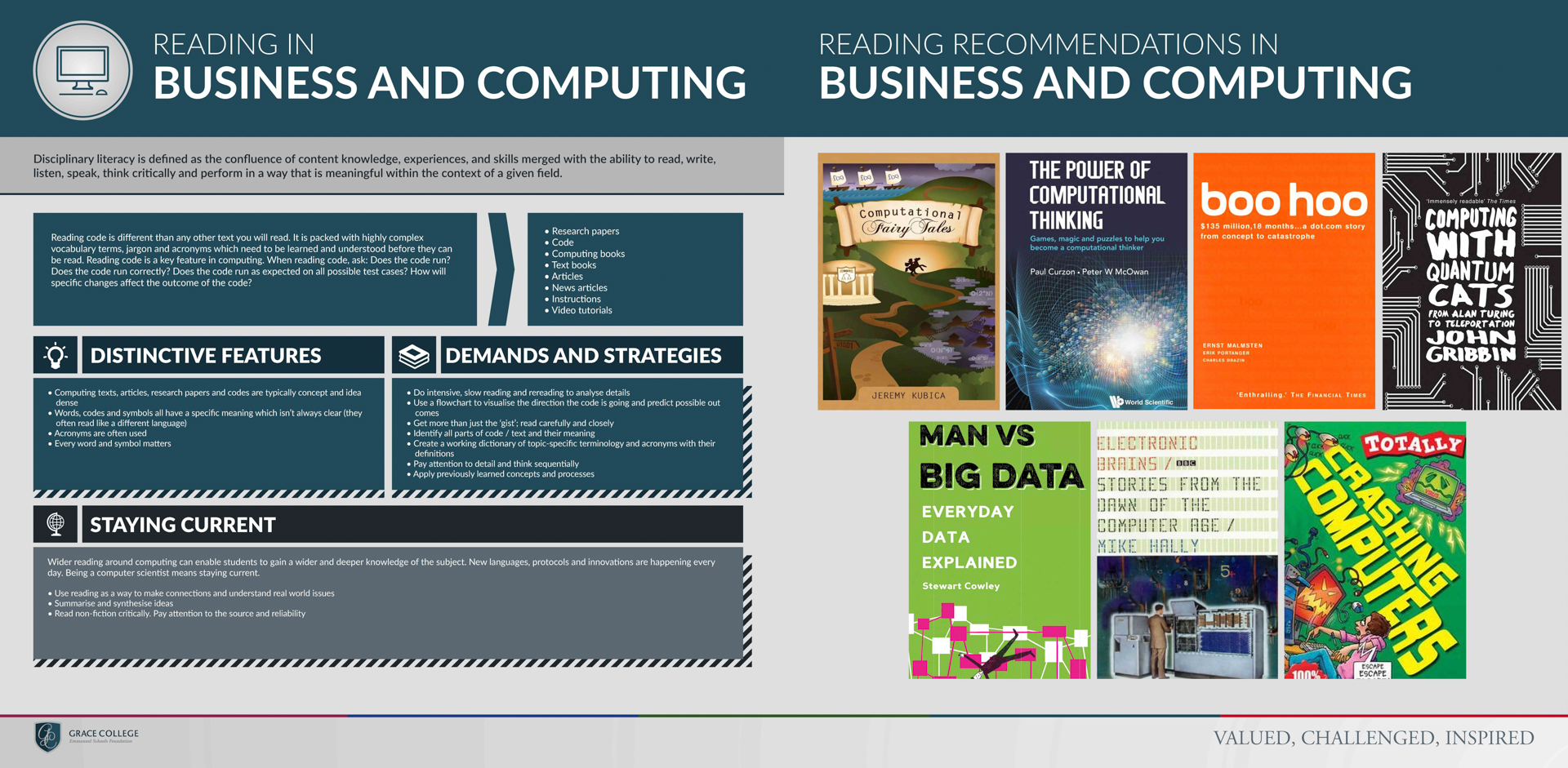
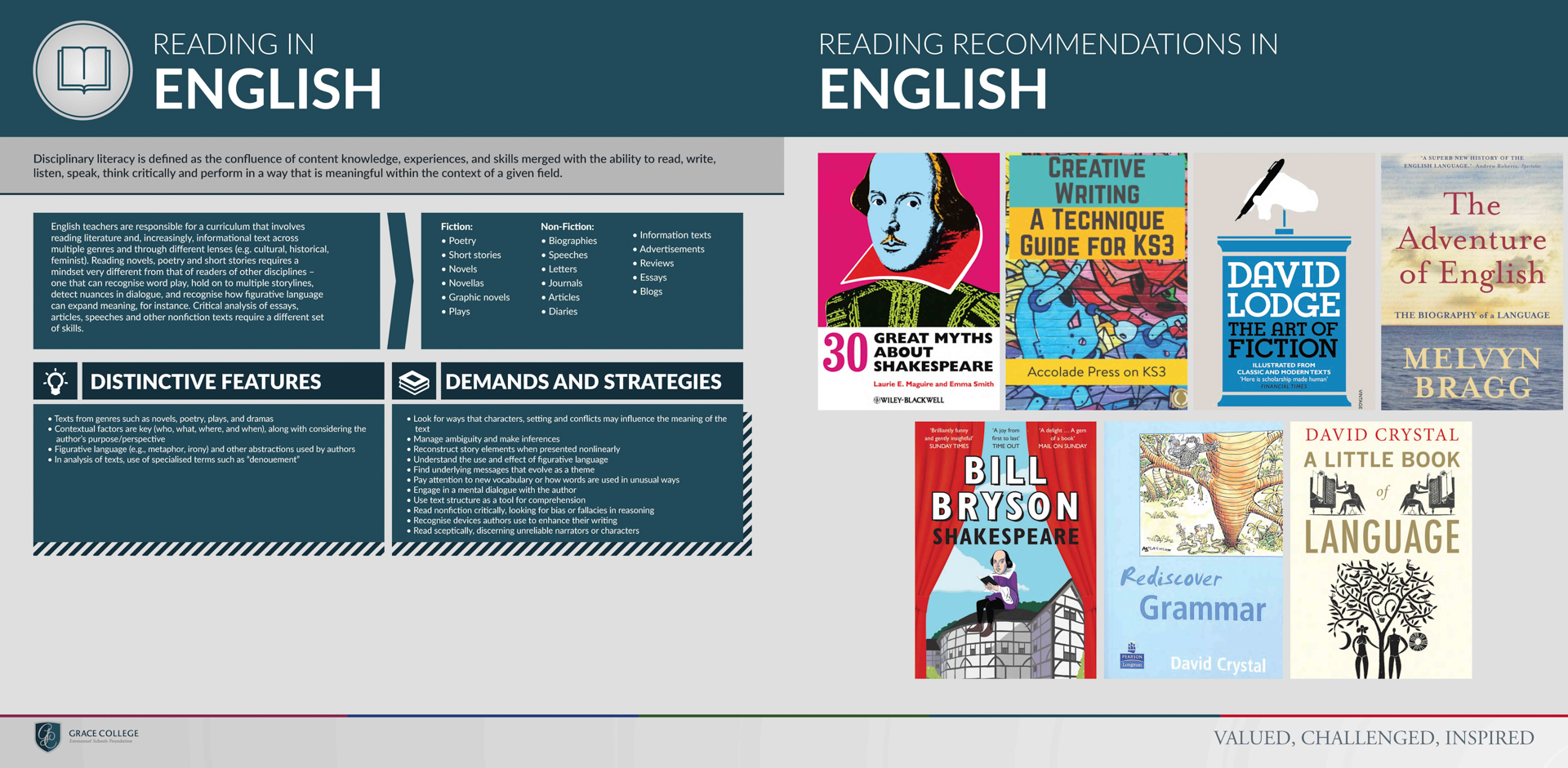
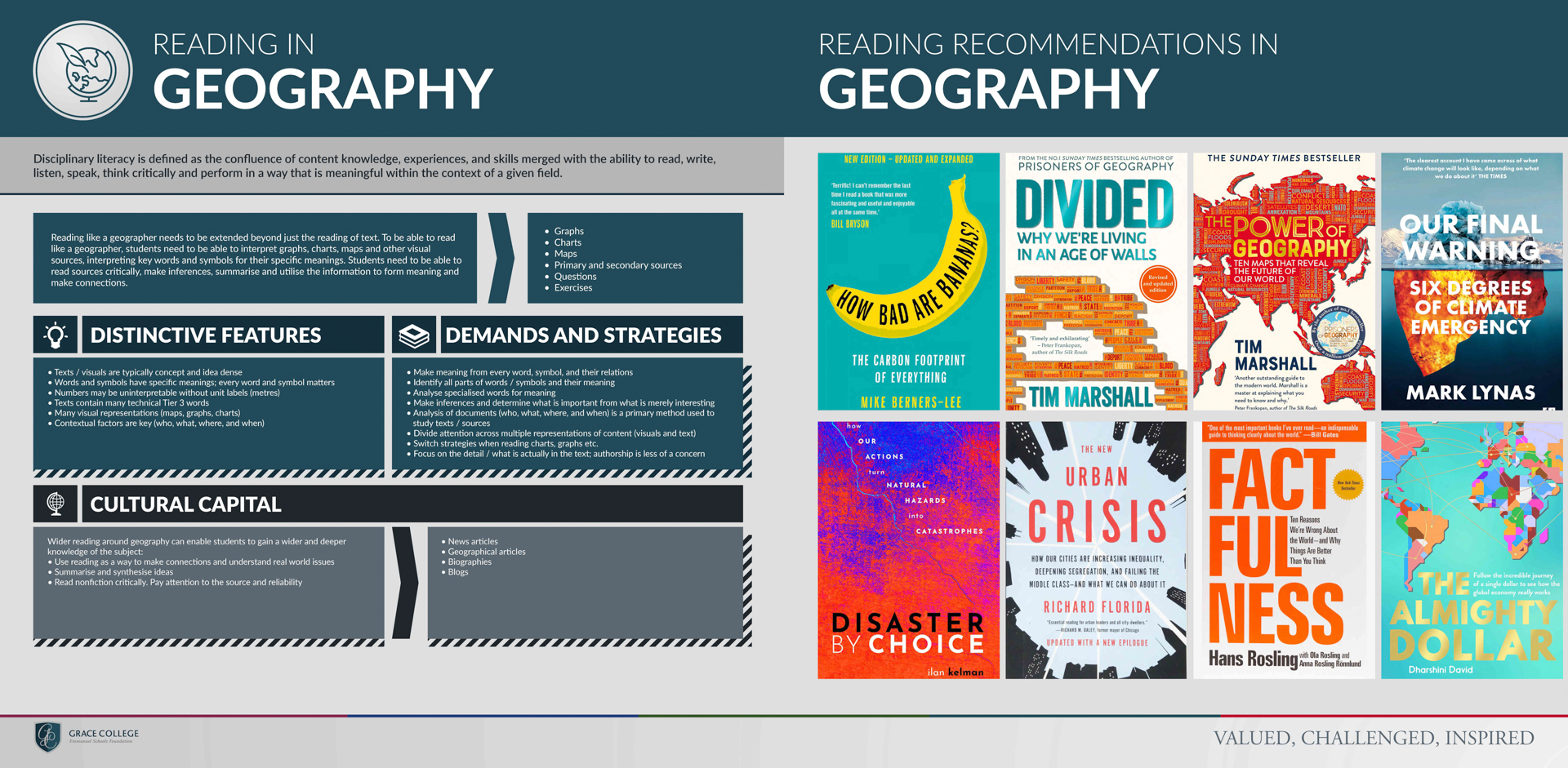
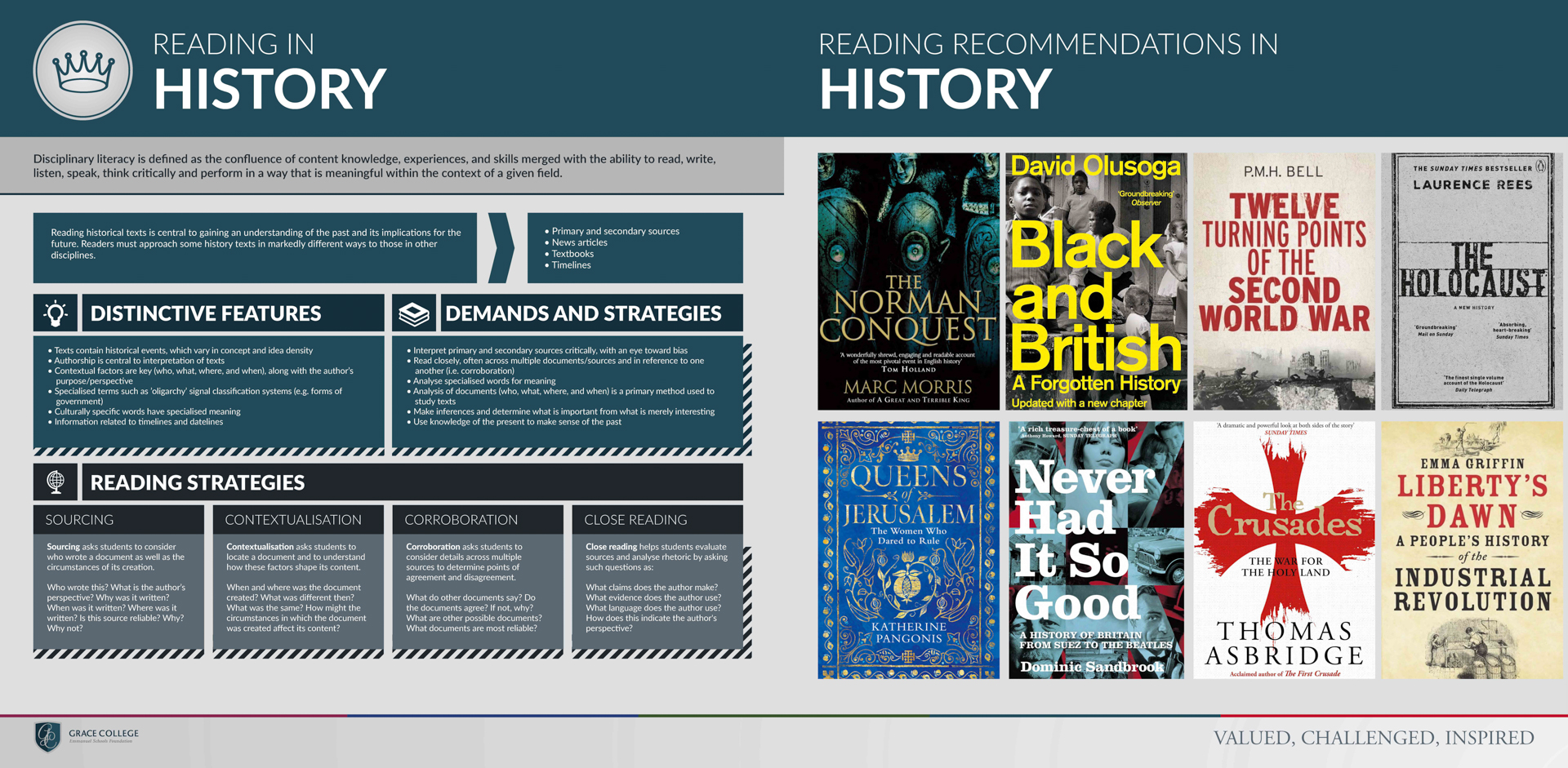
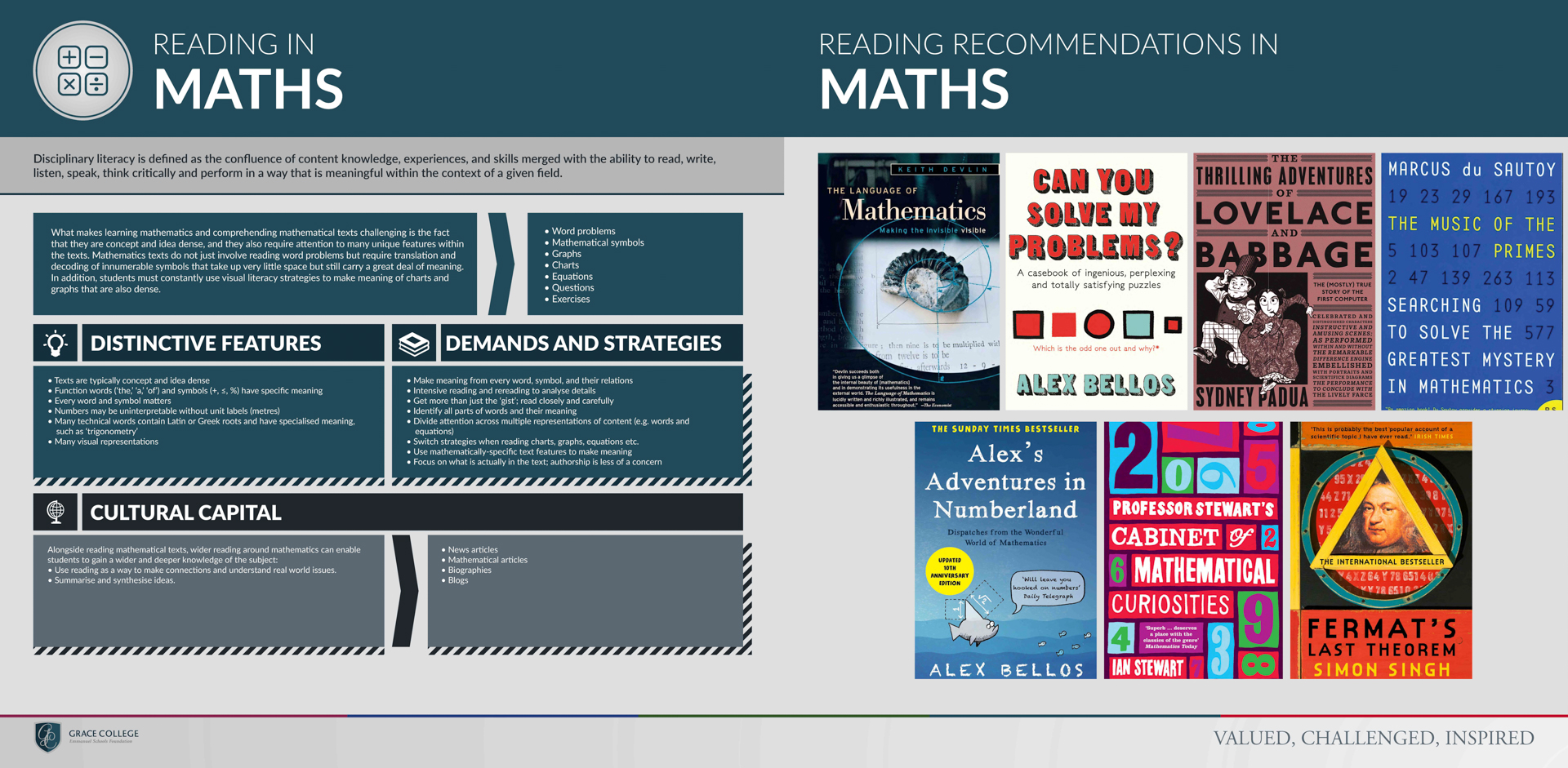
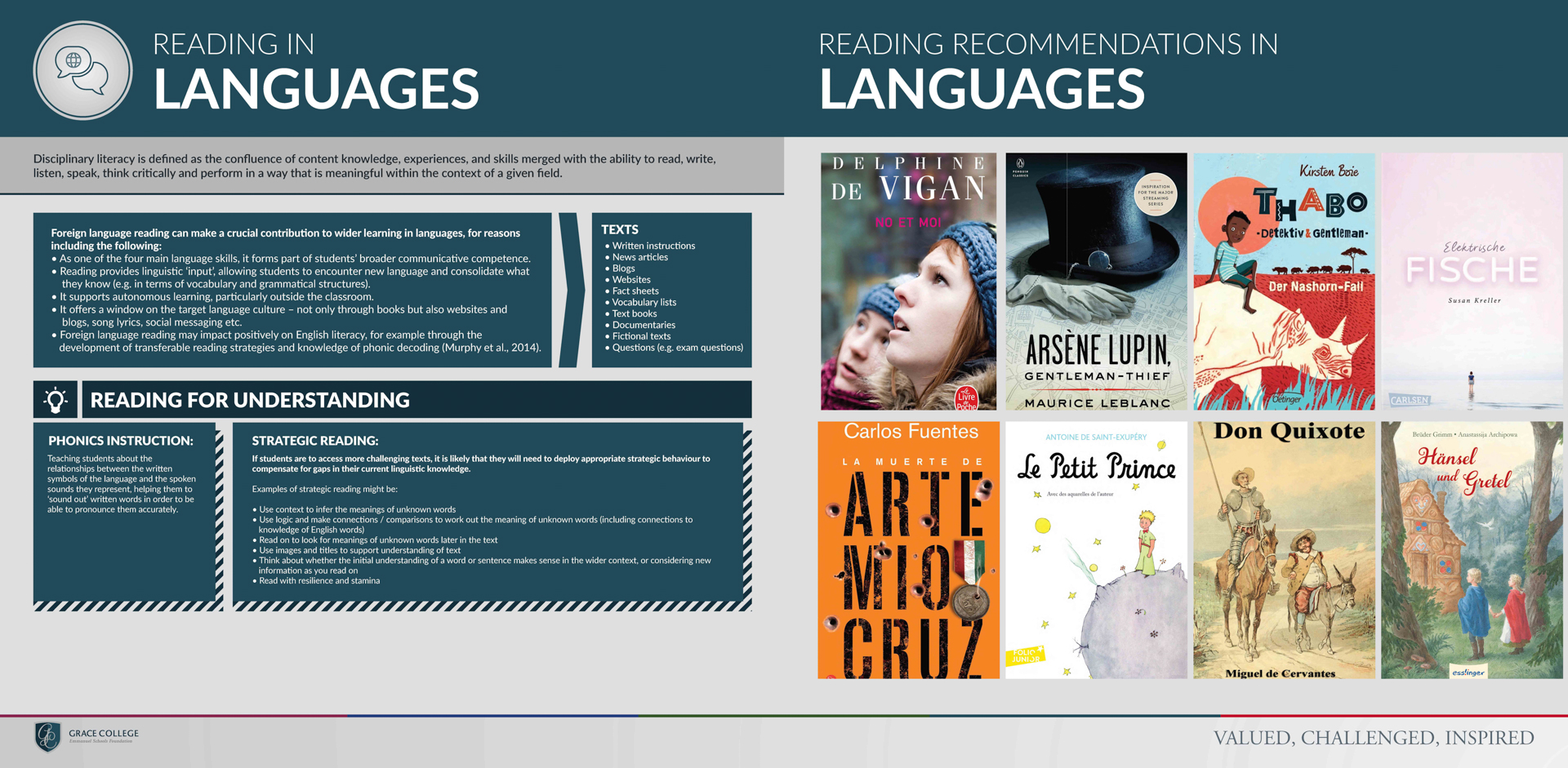
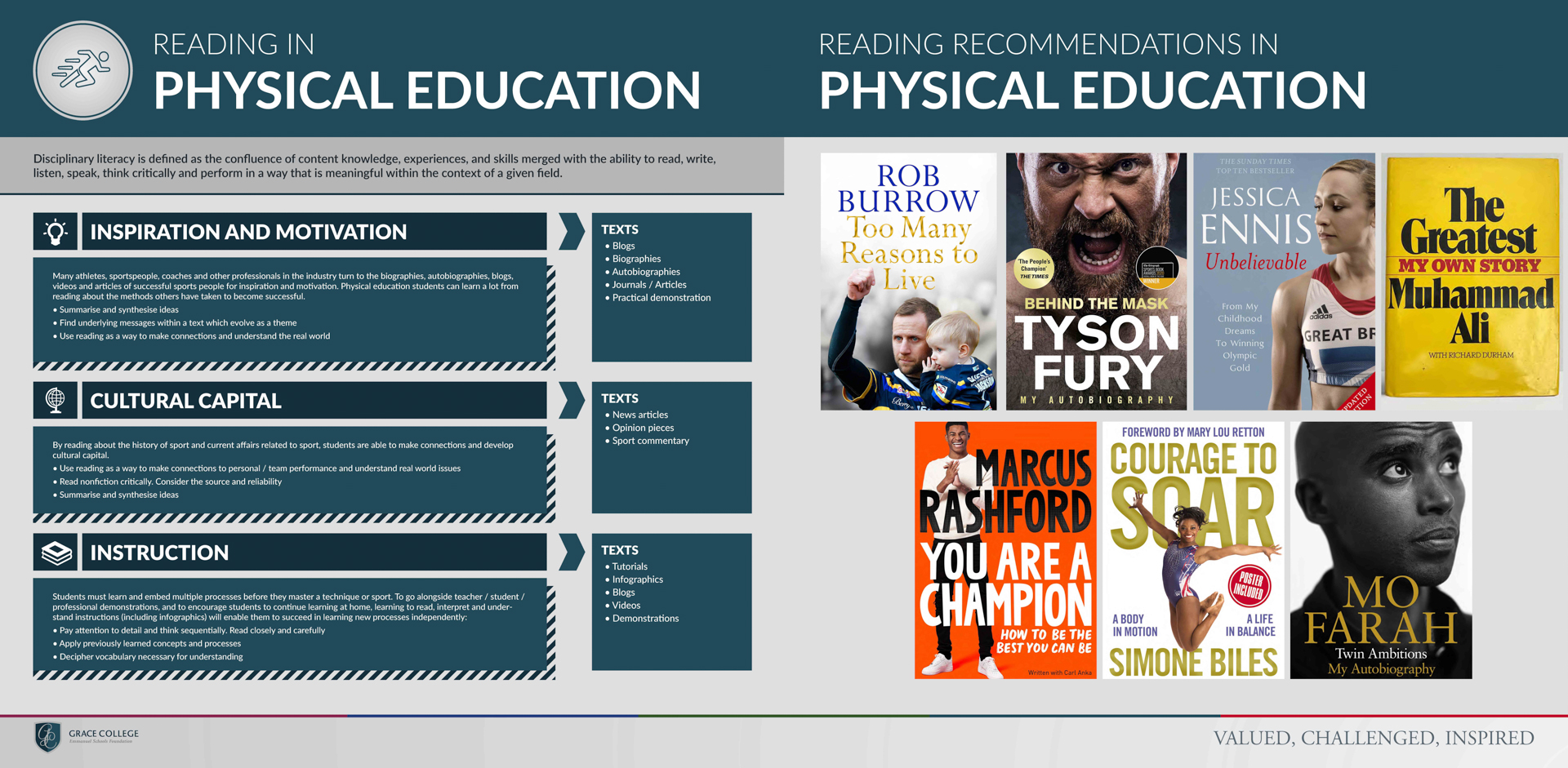
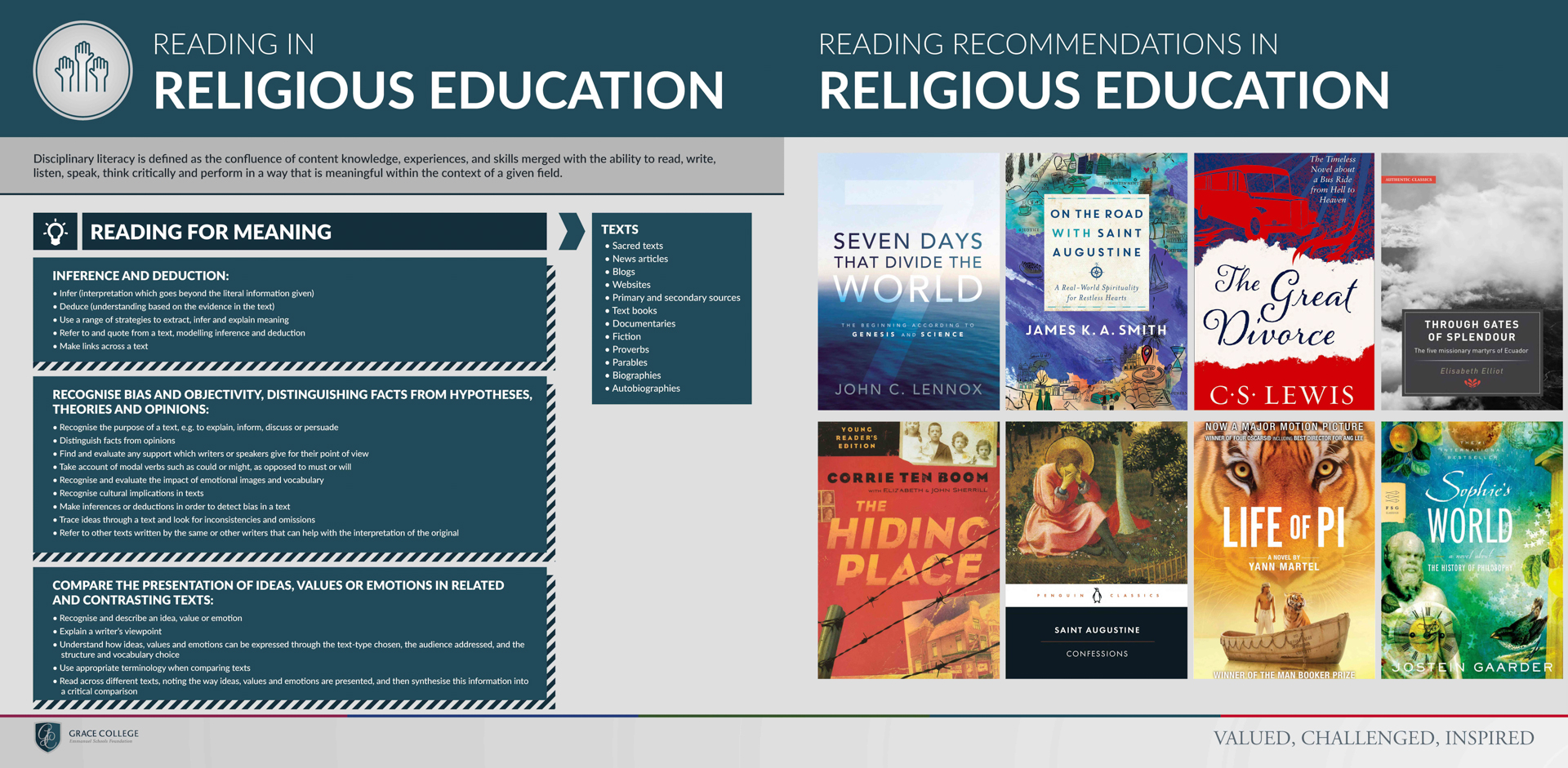
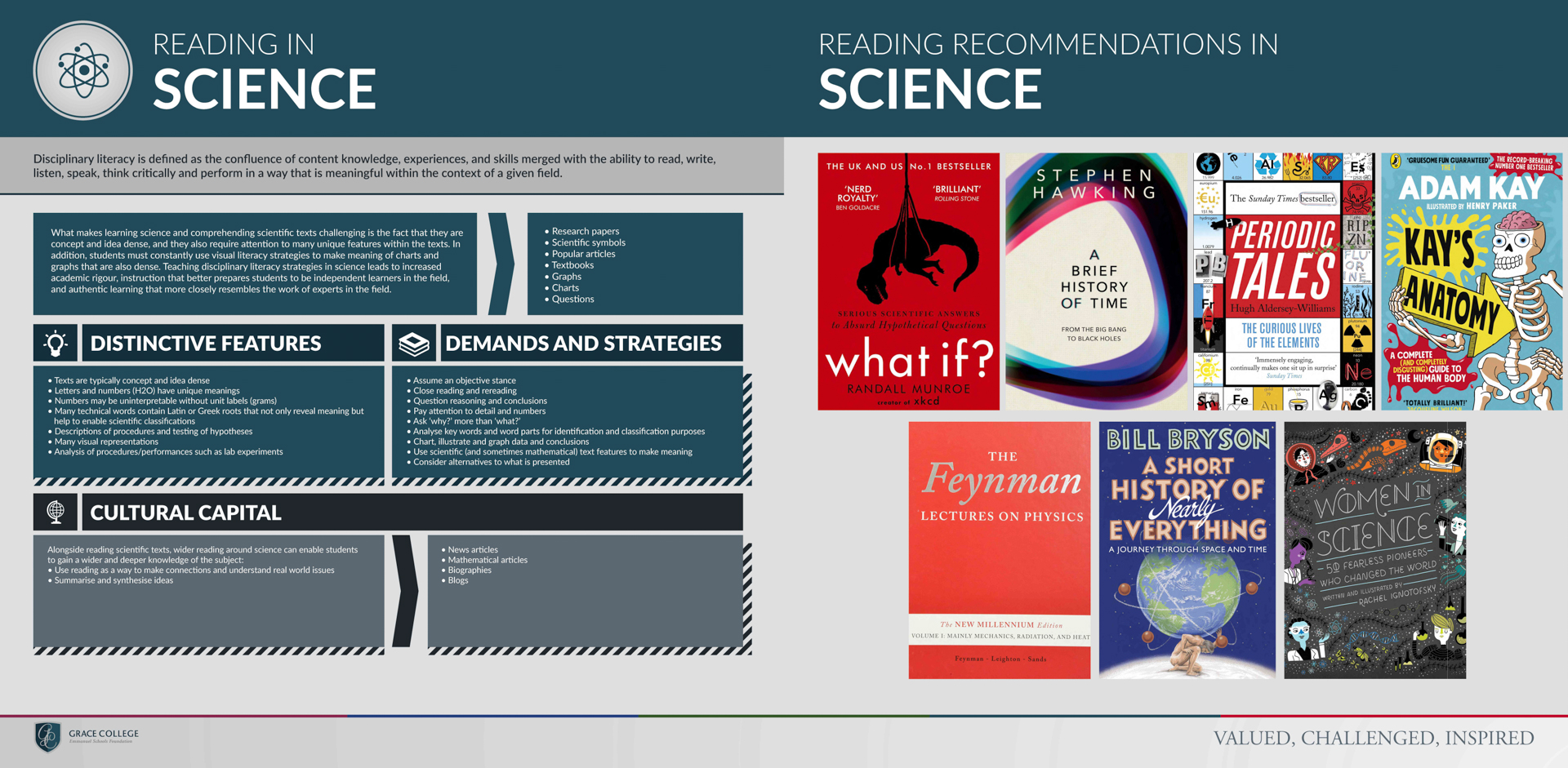
Disciplinary literacy focuses on the communication of subject specific knowledge and vocabulary. The use of disciplinary literacy supports students in understanding that language works differently in different subject areas; the way in which vocabulary is used; how question phrasing will shape the answers expected of them and how to interpret subject specific materials.
Grace College is committed to supporting all students in their development of disciplinary literacy across the curriculum. Teaching students to write like geographers, debate like mathematicians and analyse like scientists. The development of literacy sits at the core of all our subject curriculums.
Vocabulary
Words are important. They are the building blocks of reading, writing, speaking, and listening. Vocabulary is the key to students accessing the curriculum and learning in the classroom. Explicitly teaching vocabulary can enrich knowledge and understanding across of range of subject domains. Words that make reading challenging, generally do not occur in spoken language, there is a strong reciprocal relationship between word knowledge and reading comprehension.
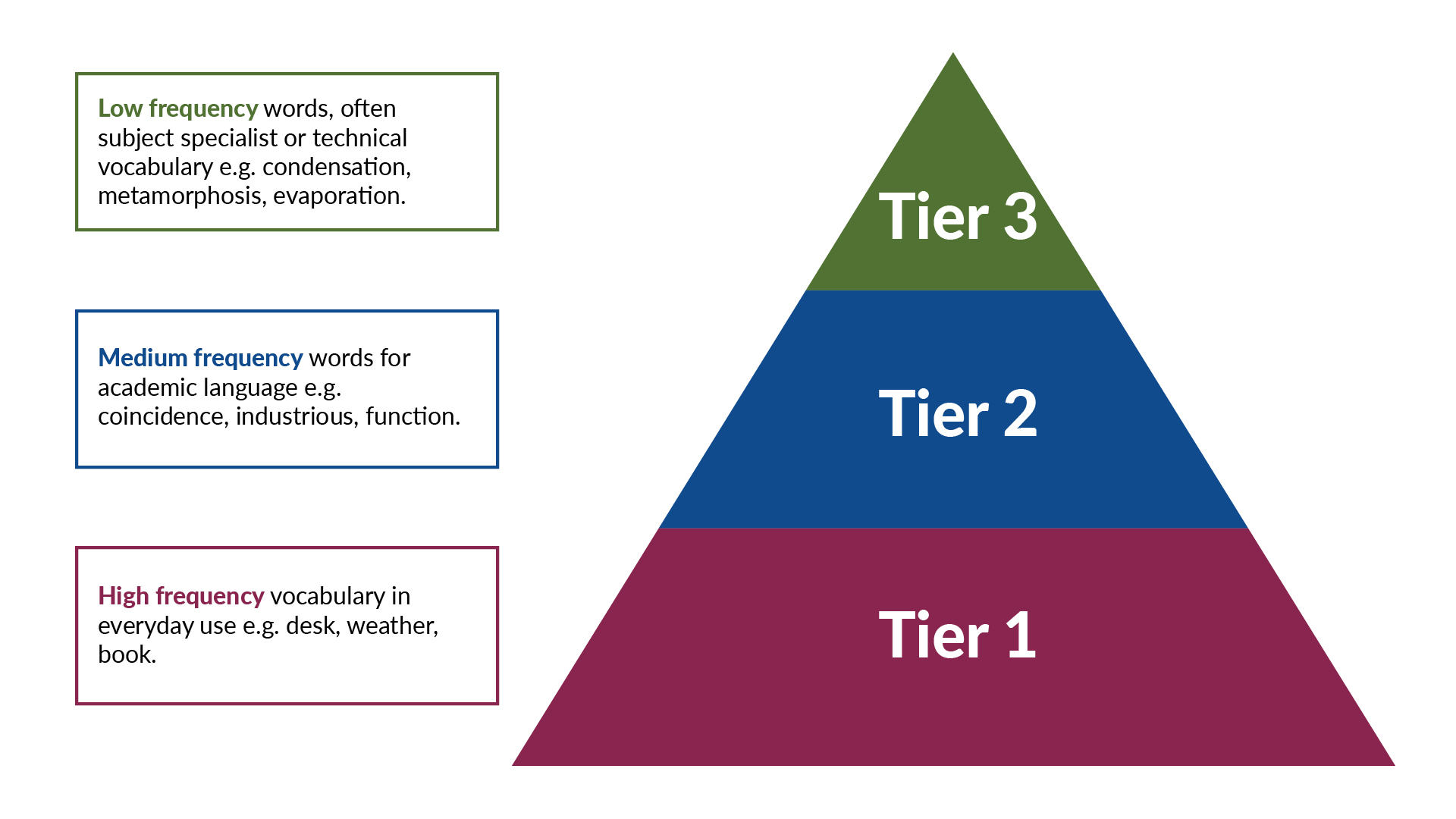
To support vocabulary development and access to learning, all students should focus on the development and understanding of Tier 2 and Tier 3 vocabulary.
Routes into reading
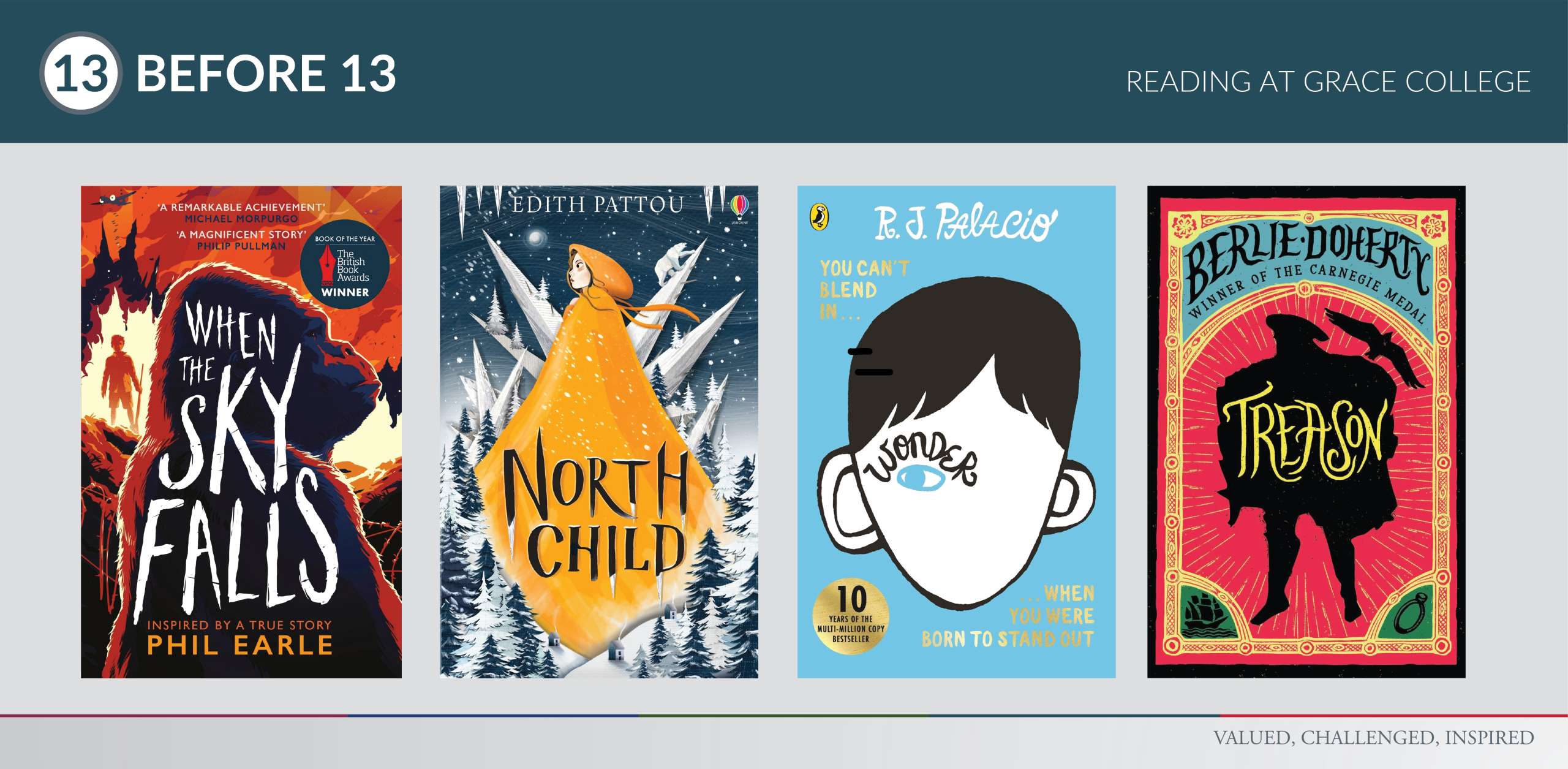
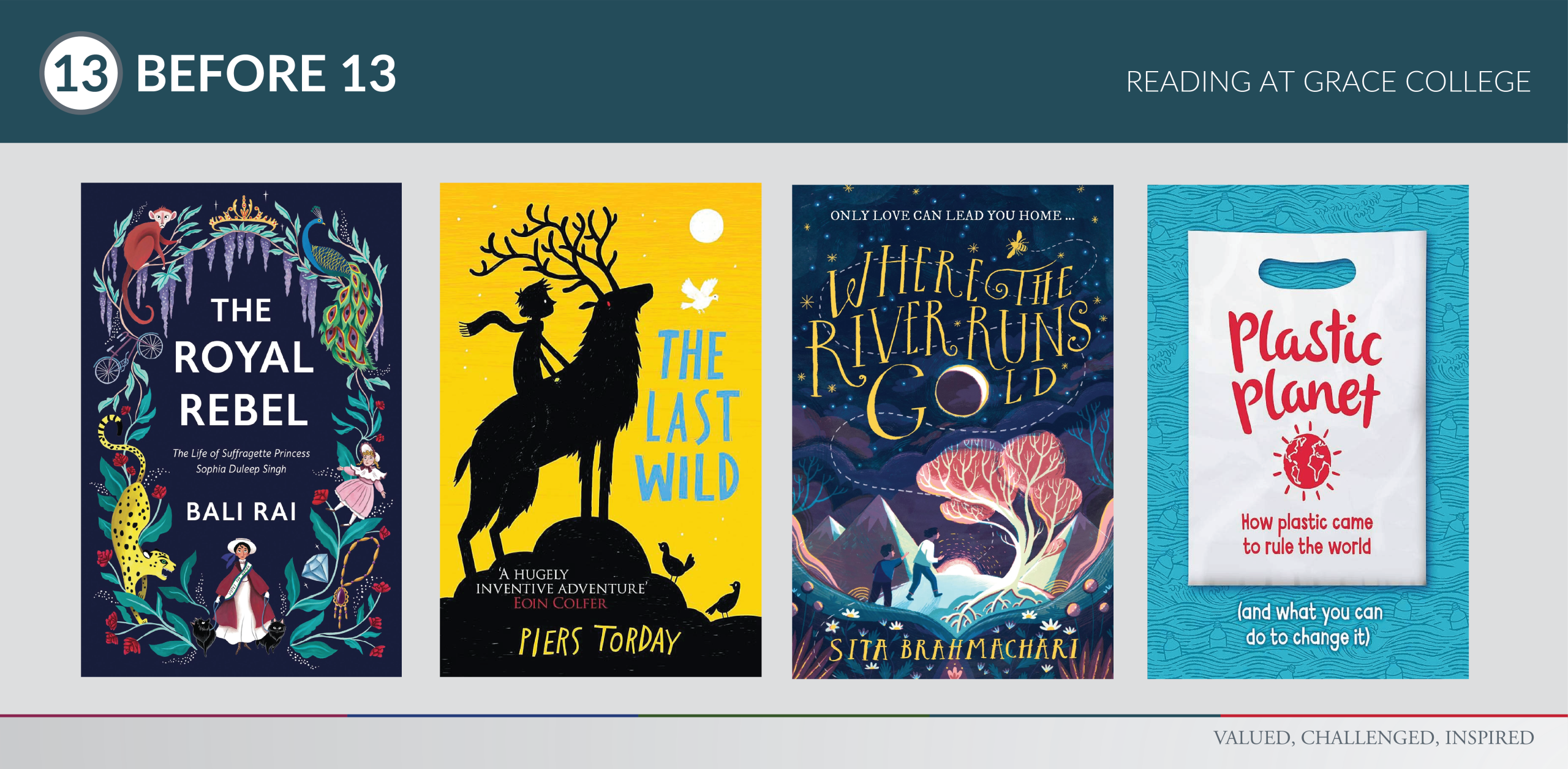
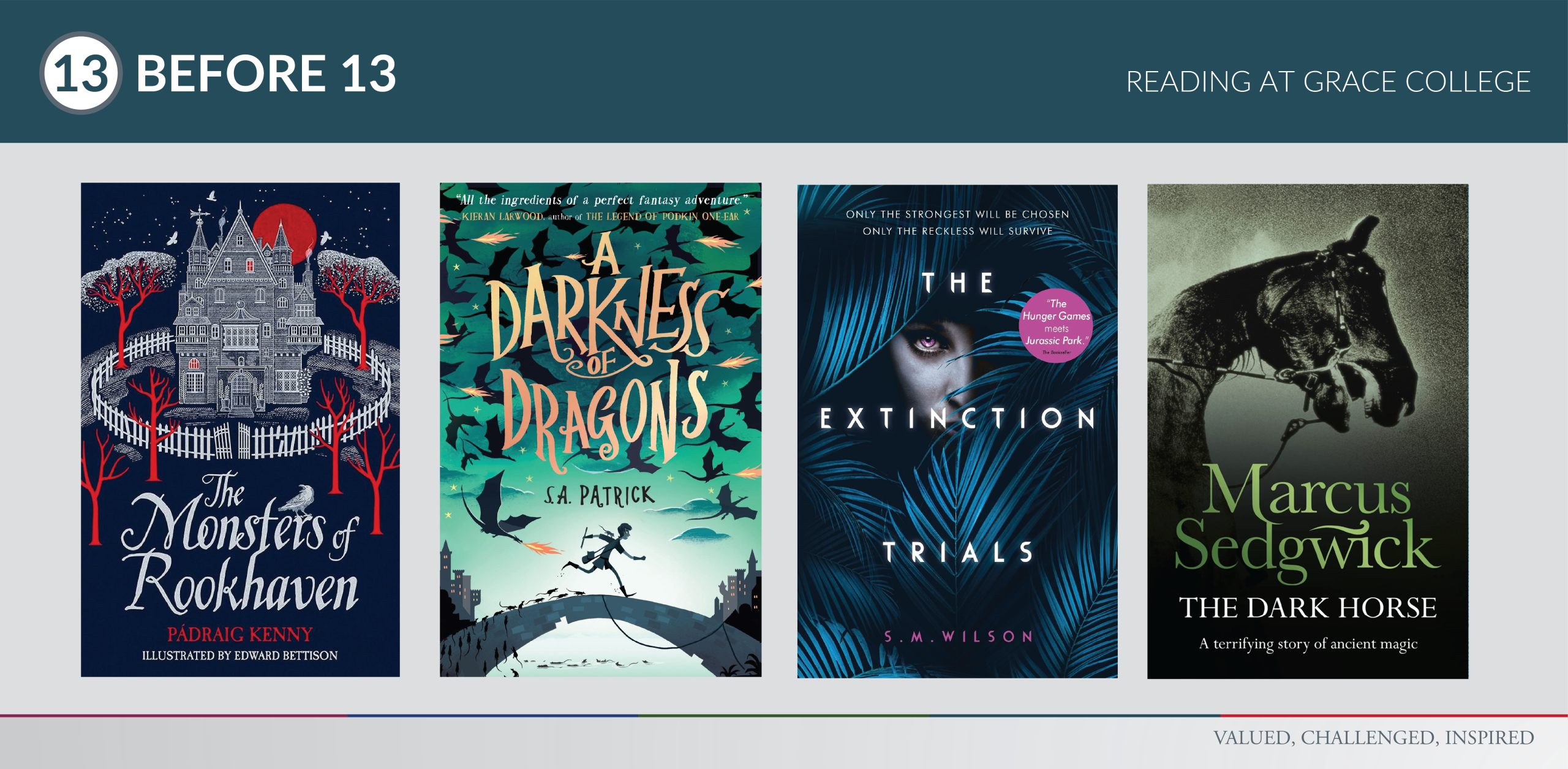
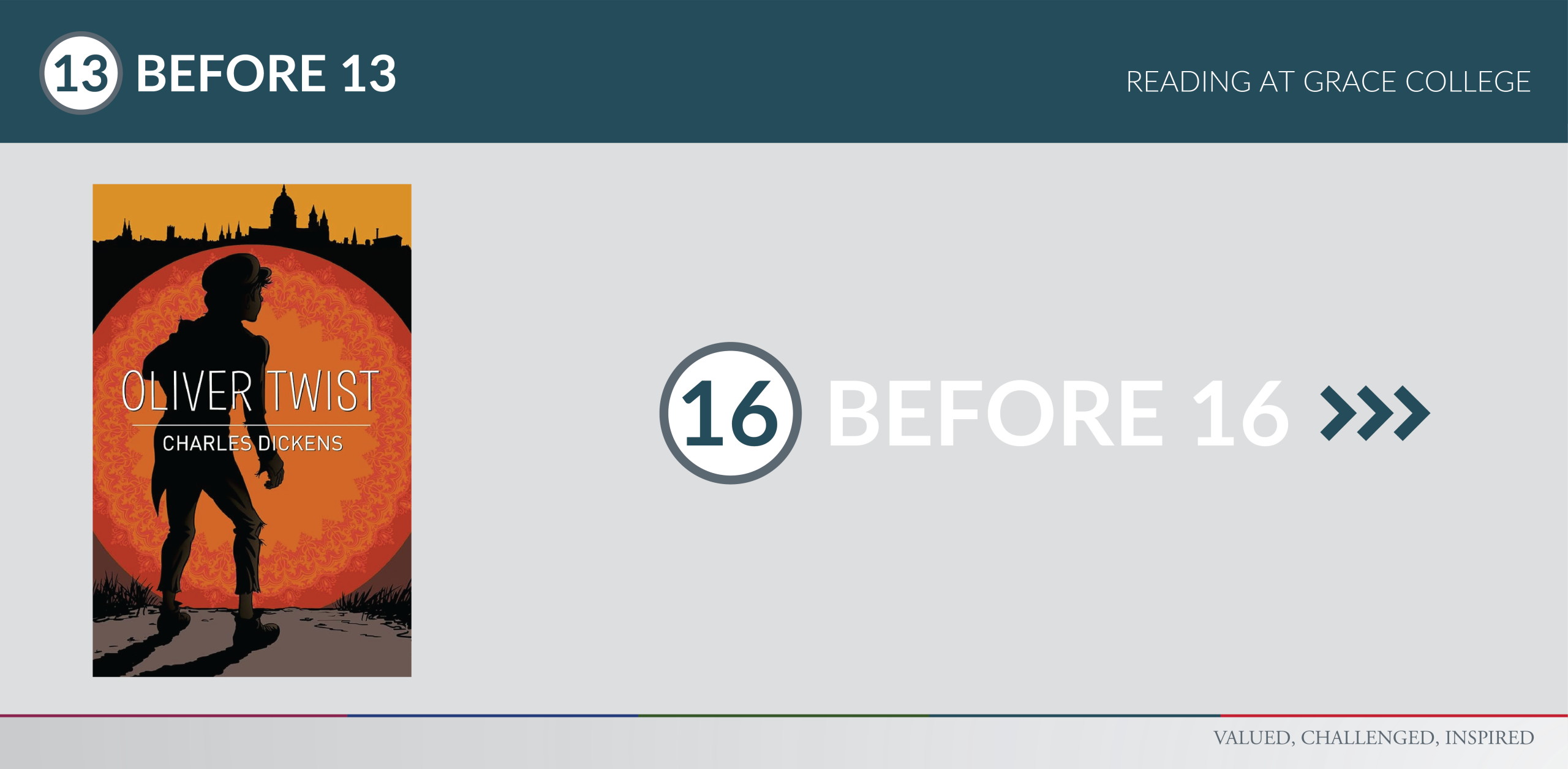
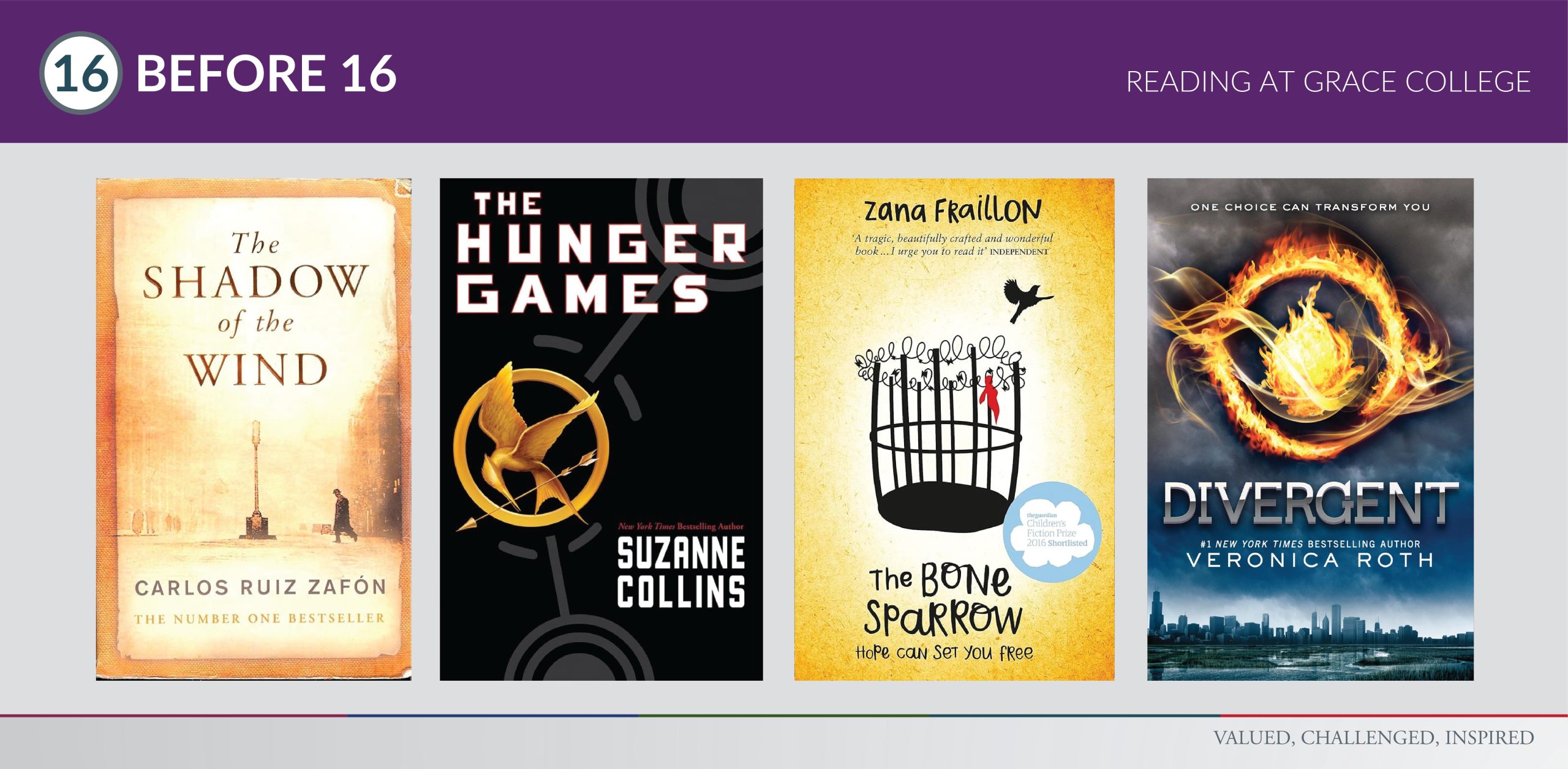
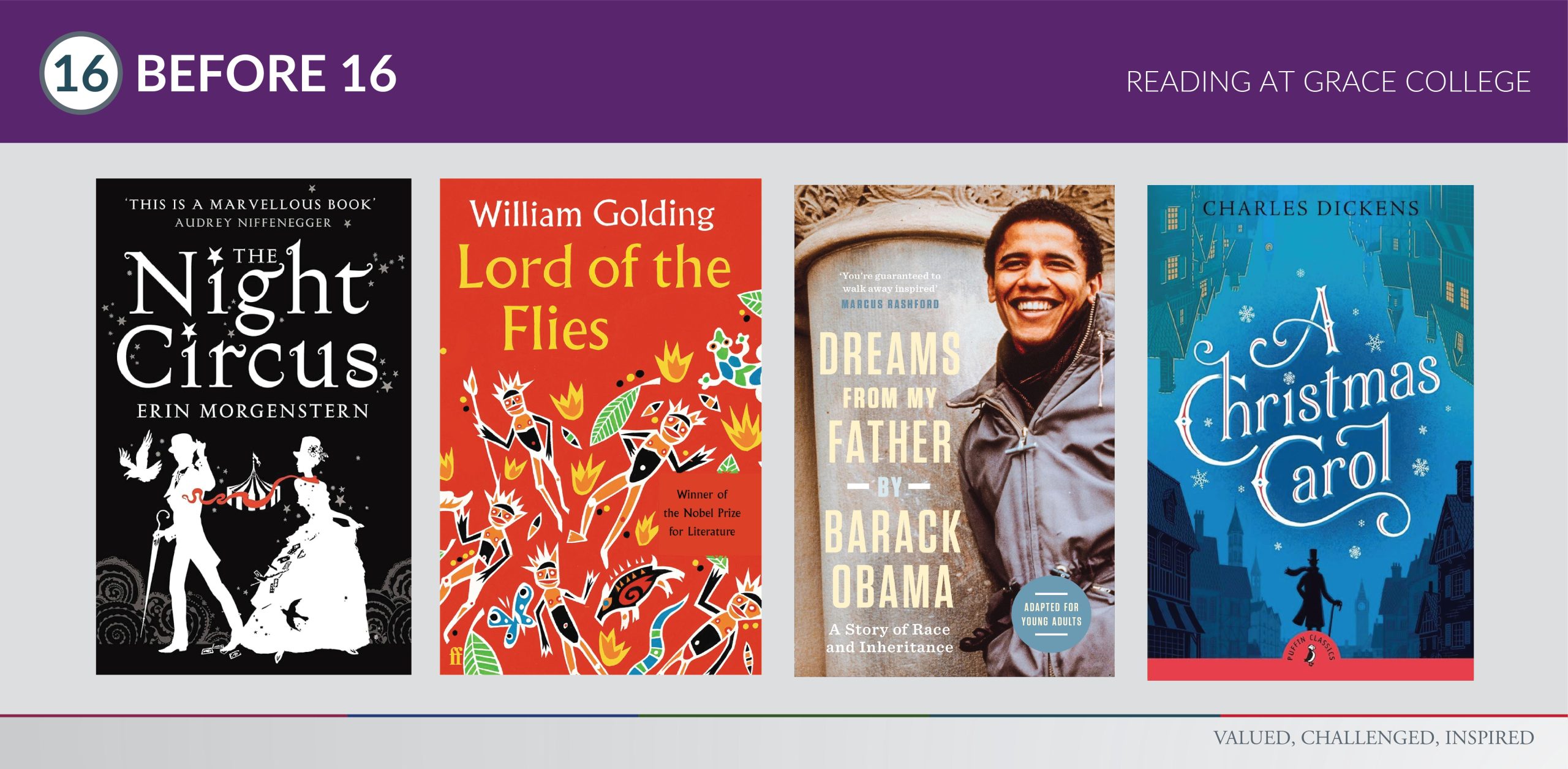
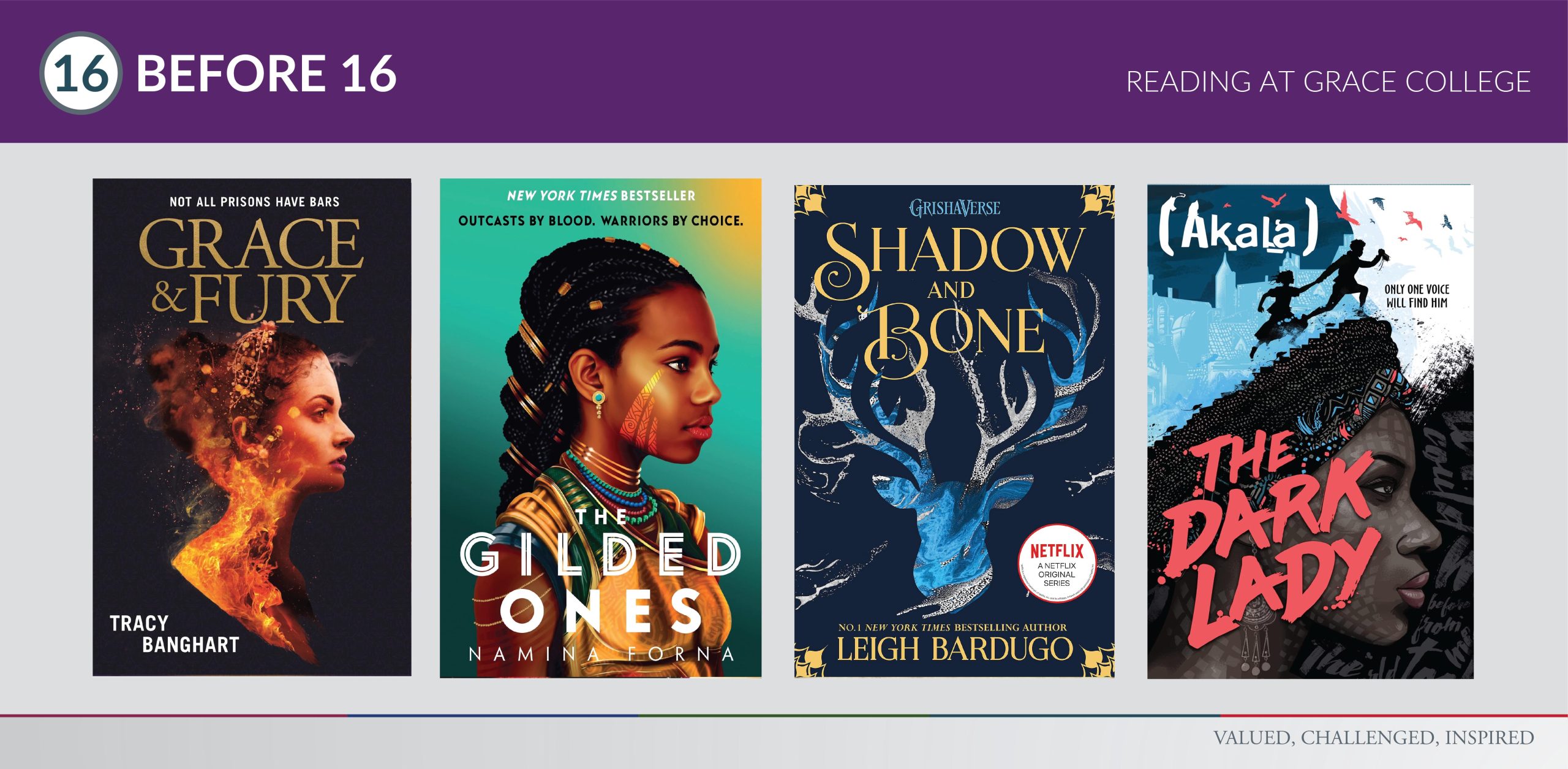
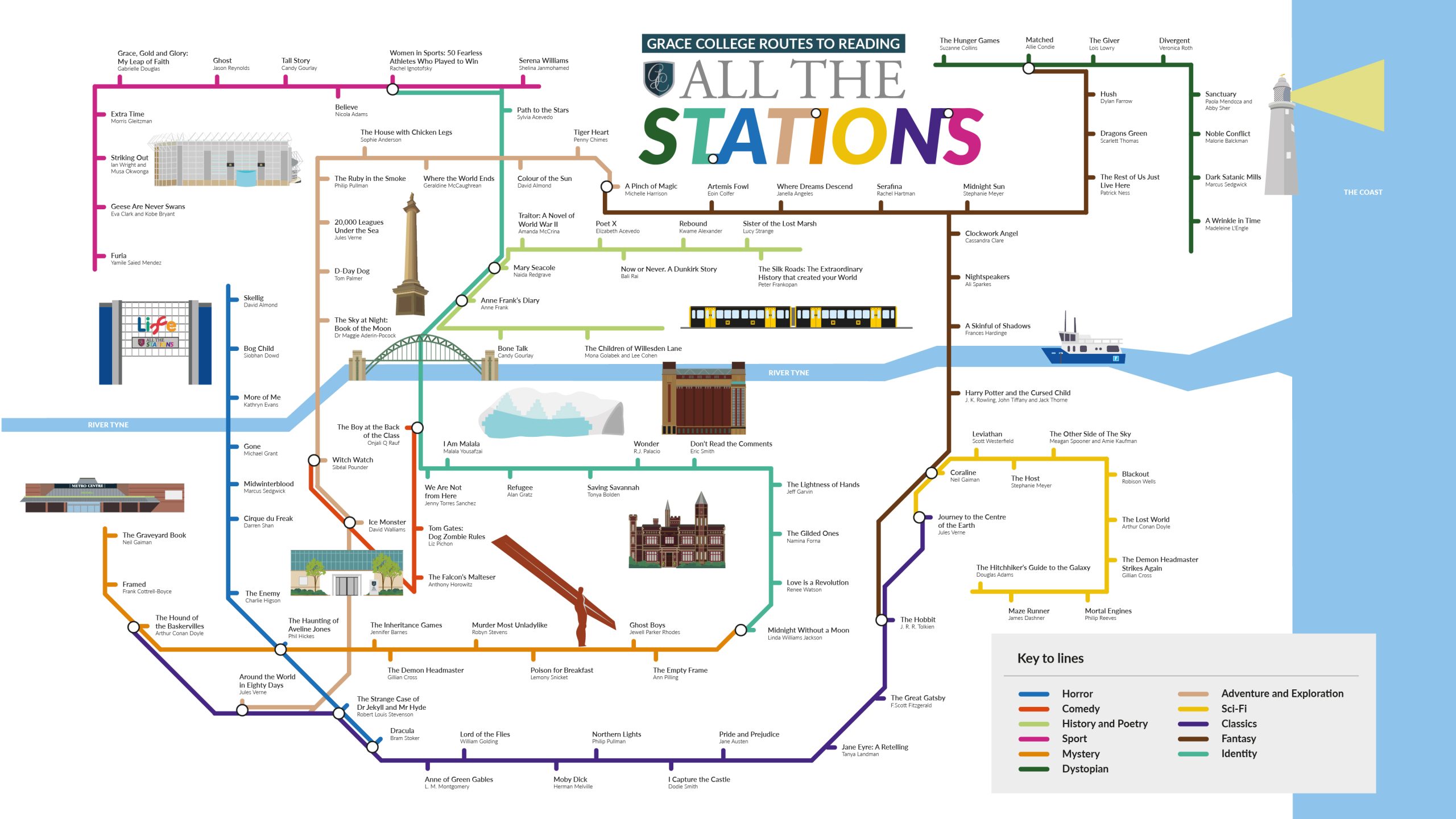
The Grace College Routes into Reading programme allows for all students to engage in reading challenges across the course of their time at Grace College. The Routes into Reading programme consists of 99 different books, from a range of different genres, as highlighted in the image below. Students are encouraged, through the library, to engage in a range of reading challenges which encourages them to read outside of their comfort zone.
Grace College Reading Intervention Pathways
“When we teach students to read with precision, rigour and insight, we are truly handing over the key to the kingdom. Of all the subjects we teach reading is the first among all equals.”
Doug Lemov, Reading Reconsidered (2016).
A main cause of reading difficulty is incomplete phonic knowledge. The ability to decode automatically is crucial for students, whatever their age. Without decoding skills, students will be limited to a ‘sight’ word vocabulary, lacking the ability to read an unknown word. Students lacking the ability to decode automatically may well be seriously disempowered for life. Automatic decoding, a lower-level skill, frees up the ‘cognitive energy’ needed for reading comprehension, a higher order skill.
There are two reading intervention pathways at Grace College. The word recognition/phonics pathway is designed to support those students who cannot decode words. These students will work through a programme called Lexonik Leap. The reciprocal reading pathway is for those students who struggle with comprehension and fluency.
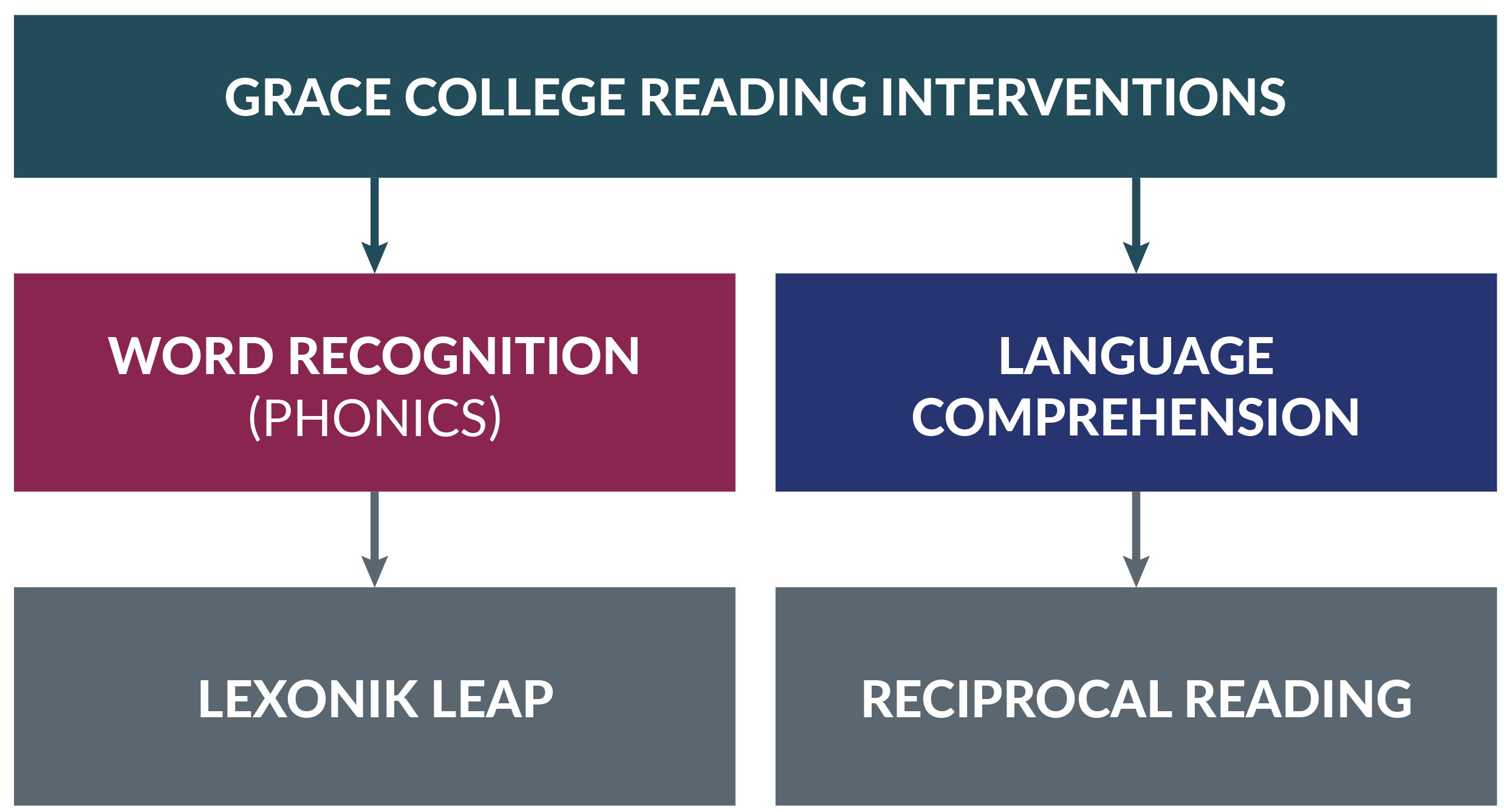
Lexonik Leap
Lexonik Leap effectively resolves phonics gaps for learners who find literacy particularly challenging and those for whom English is not their first language, rapidly progressing reading, spelling and oracy.
Sparx Reader
Sparx Reader is an interactive online platform designed to help students develop into confident, capable readers through regular practice. It supports our college in building a strong culture of independent reading by offering every student books that match their ability and interests, from a wide range of genres. Progress is continually assessed, ensuring that each learner is challenged at the right level. Homework tasks are also personalised, enabling students of all abilities to experience consistent success and enjoyment in their reading journey.
SCHOOL LIBRARY
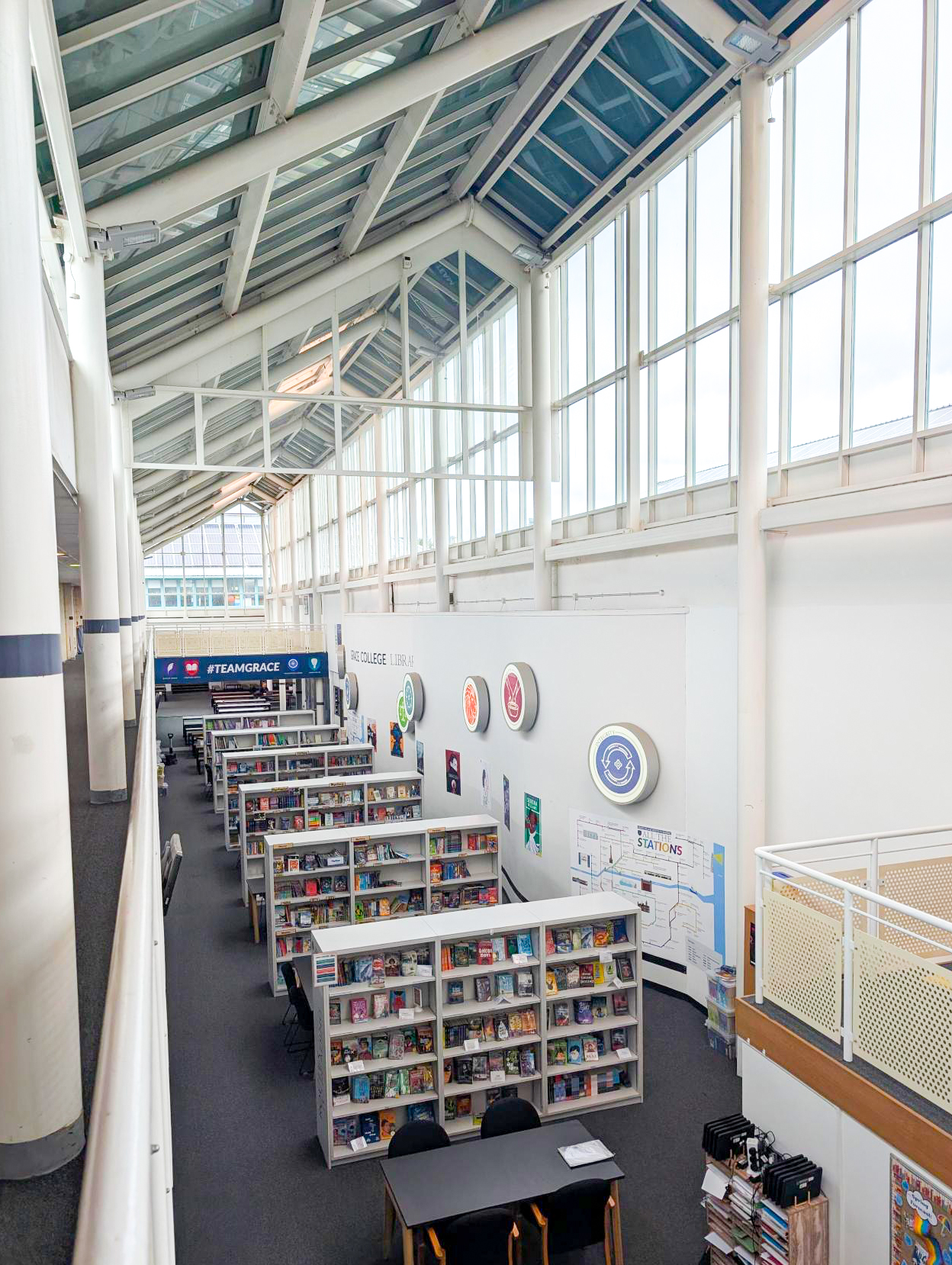
The Grace College Library sits at the heart of our school, located on the main corridor, and provides a welcoming space for reading, study, and discovery.
Our library is open before school and throughout the day, supporting a wide range of reading intervention sessions. At breaktimes, our dedicated school librarians are on hand to help students find their next great read, whether that’s the latest book in a favourite series, an exciting new genre, or a text to support homework. Students can also explore our inviting book displays, which are regularly updated to inspire curiosity and a love of reading.
The library team is always developing new ideas and book-themed activities to encourage students to get involved, discover new authors, and most importantly, enjoy reading.